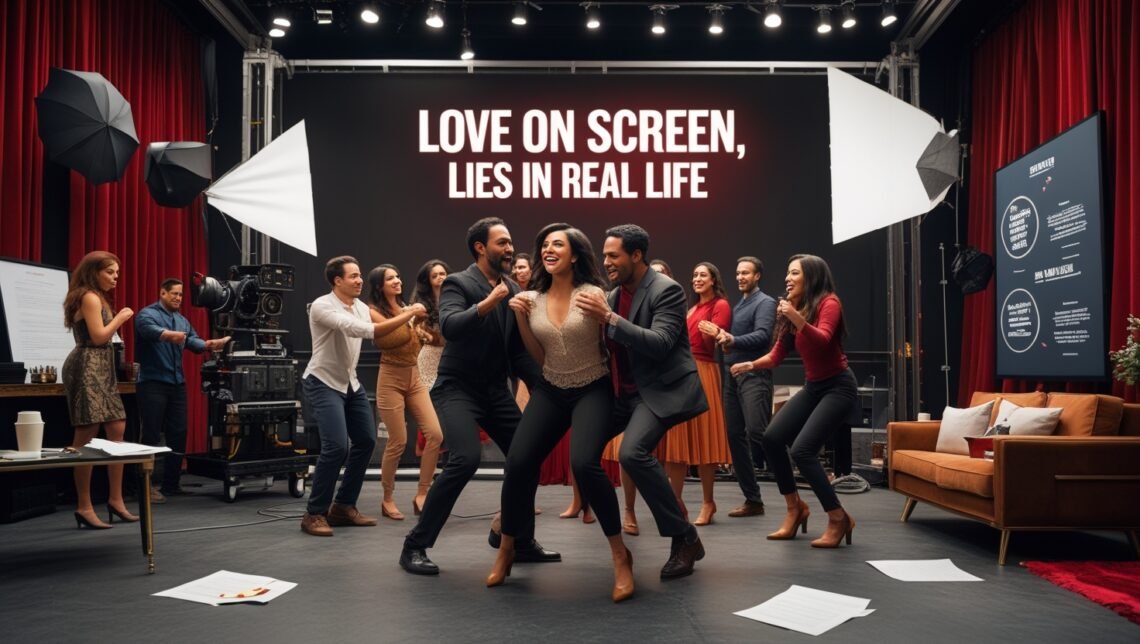
In today’s digital-first world, love has become more of a broadcast than a bond. Once a deeply personal connection built in privacy and vulnerability, romance is now edited, filtered, and streamed to millions, whether it’s on TV through shows like Temptation Island, Love School, or Splits villa, or across social media through influencer couple content and fake “pranks” for likes.
To Gen Z, the first generation raised entirely in the era of TikTok, Instagram reels, and reality TV, this version of love is everywhere. And that’s the problem. They’re learning about relationships not through healthy real-life examples, but through manipulated formats where betrayal is scripted, intimacy is exaggerated, and loyalty is tested for audience applause.
This isn’t harmless entertainment. It’s emotional conditioning. And it’s quietly changing how Gen Z understands love, commitment, and their self-worth.
- Manufactured Drama vs. Real Love:
Reality shows like Temptation Island are structured not around truth, but around chaos. Producers deliberately pair exes, strangers, or fragile couples together, all in isolated villas full of cameras and cocktails. The result is a pressure cooker of emotions where manipulation thrives and genuine communication dies.
This isn’t just bad relationship modeling, its emotional warfare packaged as romance.
Viewers, especially teens and young adults, absorb this instability. Instead of learning how to build trust or set boundaries, they internalize the idea that love must be tested constantly, and drama is a natural sign of affection. If a relationship feels peaceful or boring, it must not be “real,” a belief that drives people to sabotage good connections in search of emotional fireworks. - Loyalty as a Game, Not a Value:
On shows like Splitsvilla or Love School, loyalty becomes currency. One day you’re in love, the next you’re told to swap partners to stay “in the game.” This reduces emotional commitment to a strategic move, like playing chess with someone’s heart.
This teaches Gen Z that loyalty is conditional. That you can love someone today and leave them tomorrow if it benefits your popularity, status, or narrative.
Worse, betrayal isn’t just normalized, it’s rewarded. The more someone cheats or creates tension, the more screen time they get. And on social media, viral clips of dramatic breakups or scandalous affairs fuel millions of views. Loyalty becomes boring, and betrayal becomes marketable.
In real life, this leads to insecurity, toxic jealousy, paranoia, and emotional games in relationships. People stop feeling safe because nothing ever feels stable. - Public Relationships – Where Privacy Dies:
The moment love becomes content, it stops being love. On dating shows and influencer platforms alike, couples live under constant pressure to perform happiness. Whether it’s perfectly-timed proposal videos, rehearsed pranks, or fake “cheating” tests, everything is for the audience.
This kills authenticity.
Young people watching this internalize the belief that if their partner isn’t posting them, recording surprises, or staging romantic gestures, the relationship isn’t meaningful. And so begins the toxic cycle of comparison, insecurity, and pressure to perform.
It’s no longer enough to feel in love, you have to look in love. And when the cameras are off and the show ends, many of these couples quietly break apart because there was nothing real holding them together to begin with. - Body Image and the Myth of Desirability:
Almost every contestant on reality dating shows fits a specific mold: toned, tanned, stylish, confident. Those who don’t or who challenge this standard are either edited out or treated as the “unattractive” sidekick.
This narrow portrayal of beauty damages young viewers. Gen Z, already under pressure from filtered selfies and online beauty standards, now faces an additional message: If you don’t look a certain way, you’re not worthy of love.
It creates a generation obsessed with appearance but disconnected from identity. People begin to starve themselves for aesthetics, spend thousands on surgeries or skincare, and feel less lovable just because they don’t match a fantasy crafted in a production room.
Love becomes a privilege for the “good-looking” and that’s one of the most harmful lies being sold. - Desensitizing Real Emotions:
On-screen, emotions are exaggerated. Breakups involve screaming, crying, dramatic exits, and background music. Makeups are staged with roses and drone shots. Everything feels cinematic.
But real-life emotions aren’t like that.
Over time, viewers become emotionally numb. They can’t process sadness unless it looks like a viral video. They don’t understand forgiveness unless it comes with a grand gesture. They don’t believe in love unless it’s being shared publicly.
Gen Z begins to struggle with emotional intelligence, not because they don’t feel, but because they no longer know how to feel without performance. - The Addiction to Attention: Why Performative Love Feels So Good:
One of the most dangerous byproducts of these shows is the way they tie attention to affection. The more a couple is seen, liked, shared, or discussed, the more valuable their relationship appears, at least online.
But this creates addiction.
Love starts to feel like a stage, where applause becomes validation. If no one’s watching, people begin to question if the relationship is still meaningful. Every act of love, from gift-giving to apologies, is now framed for virality, not sincerity.
This is especially harmful for Gen Z, who already live in a dopamine-driven digital world. It makes it difficult to enjoy quiet love, the kind of love that isn’t loud, flashy, or performative, but deeply nurturing. - What These Shows Are Teaching:
Ask young fans what they’ve learned from their favorite couples online or on TV, and you’ll hear dangerous patterns:
Jealousy equals love
Loyalty must be tested
Love means owning the other person
Privacy is a red flag
Drama is exciting and normal
In short, they’re learning all the wrong things.
Worse, these lessons don’t stay on the screen. They bleed into real-life relationships. People adopt toxic habits thinking they’re signs of passion. They tolerate manipulation in the name of loyalty. They feel incomplete without an audience watching their love story unfold.
These shows are quietly reprogramming how a generation behaves in relationships. And the cost is massive.
Conclusion:
Reality dating shows may call themselves entertainment, but their impact is emotional, cultural, and long-term. For Gen Z, who are still learning how to love, trust, and understand themselves, these formats are not just toxic; they’re educational disasters.
They normalize betrayal. Glorify manipulation. And sell the idea that if love isn’t dramatic, public, and attractive, it isn’t worth it.
But real love doesn’t look like that. It’s quiet. It’s consistent. It’s built in privacy, not performance. It doesn’t ask you to entertain others, it asks you to understand each other.
If we want healthier relationships, we have to stop consuming unhealthy examples. It’s time to turn off the drama, unfollow the fantasy, and start building love in a world where cameras aren’t watching.
Because when you remove the lens, that’s when real connection begins.
FAQs:
- How are reality dating shows affecting Gen Z’s understanding of love and relationships?
Reality dating shows distort Gen Z’s perception of love by glamorizing betrayal, promoting drama, and reducing loyalty to a game. These shows condition young viewers to associate love with chaos, performance, and public validation rather than emotional intimacy and mutual respect. - Why is the portrayal of relationships on reality TV considered harmful?
These shows prioritize entertainment over authenticity. They manufacture drama, exaggerate emotions, and reward toxic behavior like cheating and manipulation. This creates unrealistic expectations and encourages viewers to replicate these patterns in real-life relationships, often leading to emotional instability and insecurity. - How do these shows influence body image and self-worth among young people?
Reality dating shows promote narrow beauty standards by showcasing only conventionally attractive contestants. This reinforces the false belief that physical appearance determines worthiness for love, leading Gen Z to experience body image issues, low self-esteem, and an obsession with external validation. - What’s the problem with publicizing relationships online or on TV?
When relationships are constantly on display for likes, views, or applause, they lose authenticity. The pressure to “look in love” replaces the need to feel in love, causing young people to seek performative validation instead of genuine connection and emotional depth. - What values and behaviors are these shows teaching young viewers?
They teach that jealousy is proof of love, loyalty must be tested, drama is exciting, and privacy is suspicious. These toxic lessons are internalized by viewers and carried into real-life relationships, damaging their ability to form healthy, trusting, and mature romantic bonds.
